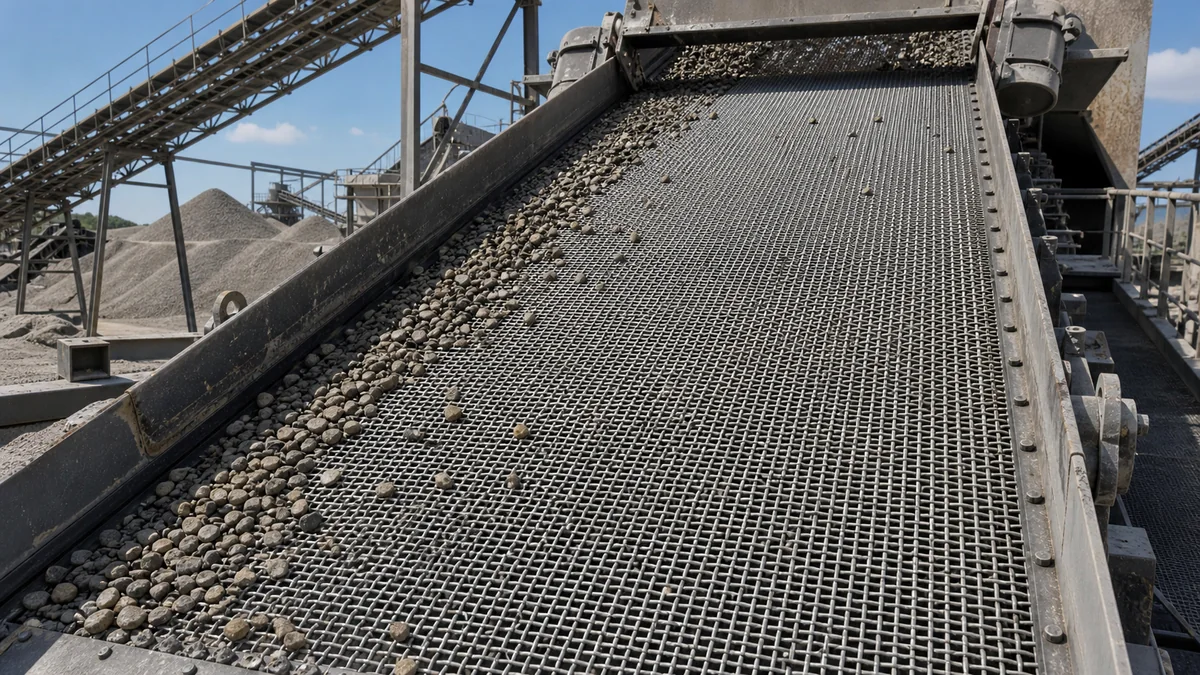
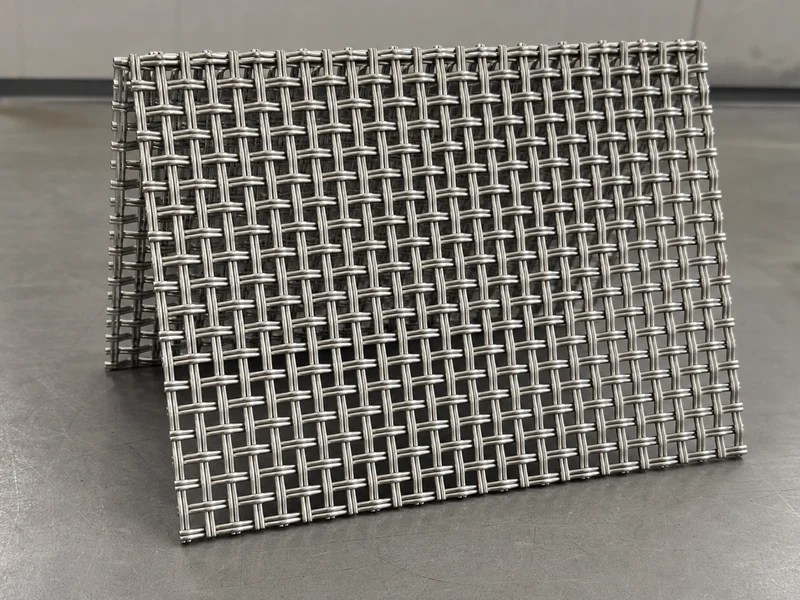
Crimped woven steel screen mesh for quarry, aggregate, coal, and mineral screening, specified by aperture, wire, panel size, edge, and deck fit.
Quarry screen mesh is a wear component, so correct replacement depends on more than the nominal opening. Heavy-duty woven screen cloth is made from pre-crimped wires that lock into a regular aperture pattern while allowing the panel to work under vibration. Material selection, wire diameter, aperture, crimp pattern, panel dimensions, edge preparation, tensioning method, and the characteristics of the feed all affect service behaviour.
Start with the machine make and model, deck position, clear fixing width, panel length, support-bar spacing, and tensioning direction. If hooks or reinforced edges are used, provide the hook profile, angle, clamping arrangement, and left/right orientation. A dimensioned drawing is preferable to a single overall measurement because the screen must seat correctly on the support structure and tension without distorting the openings.
The mining screen mesh catalog groups the current woven and crimped screen product pages for comparison.
State whether aperture is measured as the clear opening and confirm the required shape. Wire diameter should be measured away from worn contact areas on an existing panel. High-carbon and manganese spring-steel grades are common for heavy screening, but the grade should be agreed for the feed material, moisture, impact, abrasion, and required service interval. Also provide the target cut size, feed size, dry or wet screening condition, and any history of pegging or blinding.
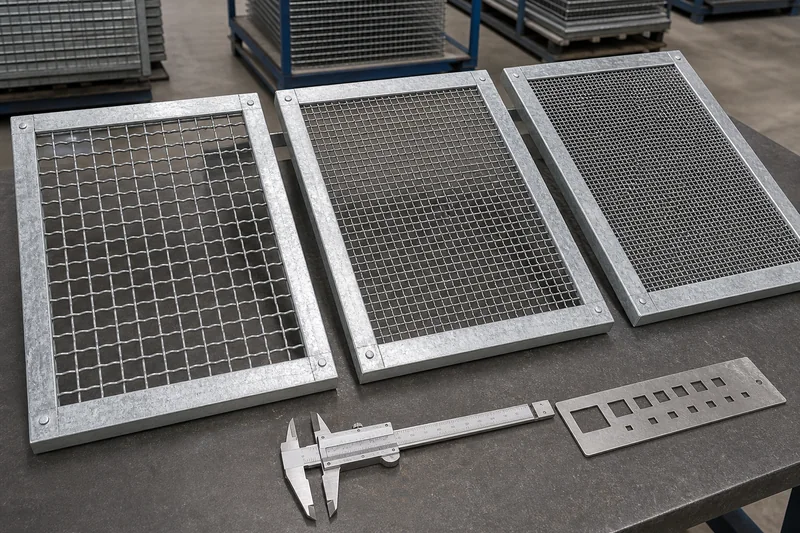
Useful checks include clear aperture, wire diameter, overall panel dimensions, squareness, weave and crimp consistency, edge or hook dimensions, and quantity. Measurements should follow the approved drawing and agreed inspection method. Panels can be stacked with protected hooks or edges and secured to supports that prevent movement during transport; identification should allow each deck position or aperture to be matched at the destination.
For a broader order-preparation sequence, use the wire mesh importer buying checklist. To compare a replacement panel, send a drawing and clear photos of the screen and edge together with operating conditions and required quantity.
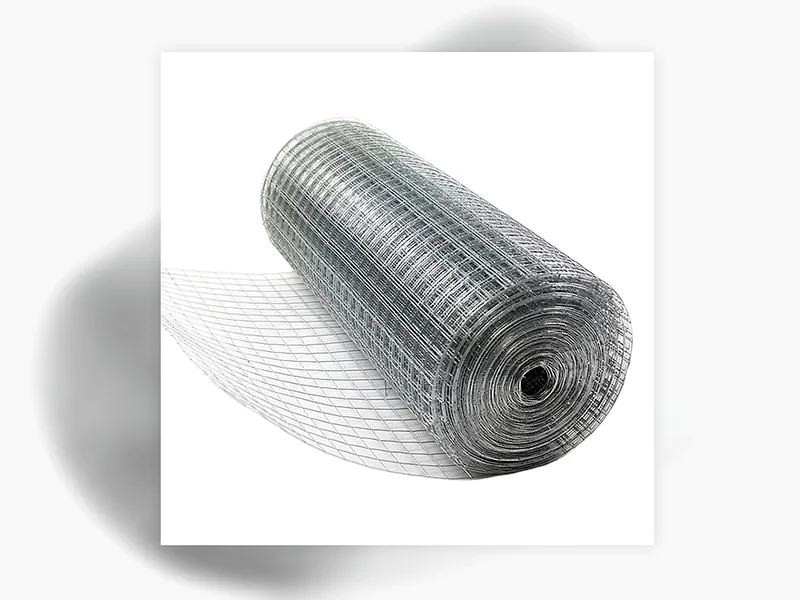
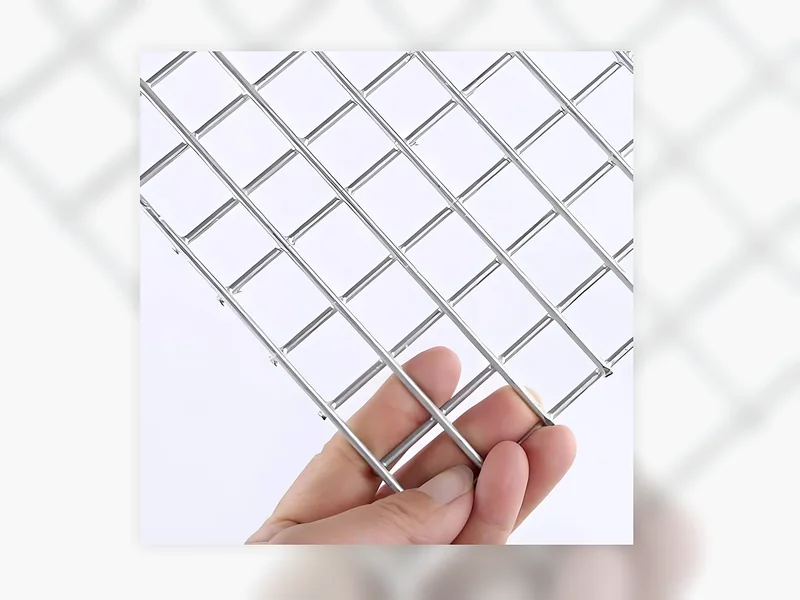
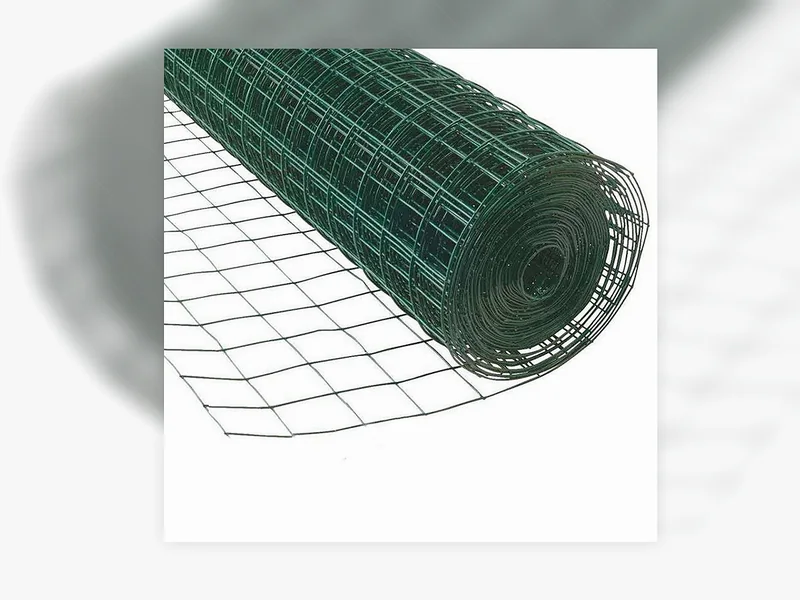
Send mesh type, material, wire diameter, aperture, size, surface treatment, quantity, packing request, and destination country.